- News
- Posted
iFi Audio UP Play & UP Play Max
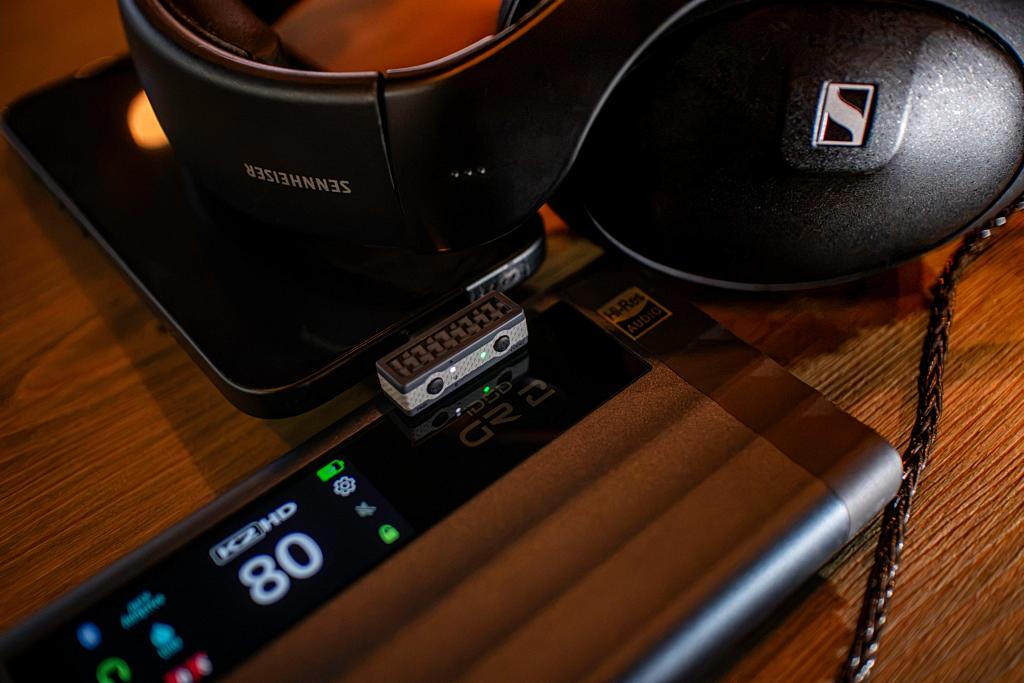
You can spend a small fortune on wireless headphones, carefully compare their drivers, tuning, noise cancellation, and battery life, and eventually settle on a model that supports some of the most advanced Bluetooth codecs available. Then you connect it to your phone and discover that half those capabilities are essentially useless. The headphones may support LDAC, aptX Adaptive, or even aptX Lossless, but that doesn't necessarily mean your smartphone can transmit audio using any of them. iPhone owners know this problem particularly well, since Apple continues to rely on AAC and SBC for Bluetooth audio, regardless of how sophisticated the connected headphones might be. iFi Audio believes the solution doesn't have to involve buying a different phone. Its new UP Play and UP Play Max are miniature USB-C Bluetooth transmitters designed to take over wireless audio duties from the source device, effectively bypassing its built-in codec limitations. Neither is a conventional DAC or headphone amplifier. Instead, these tiny accessories give smartphones, tablets, computers, and compatible gaming devices access to Bluetooth formats they might otherwise be unable to use. The standard UP Play supports LDAC and several members of the aptX family, while the more advanced UP Play Max adds aptX Lossless and promises future support for Auracast.
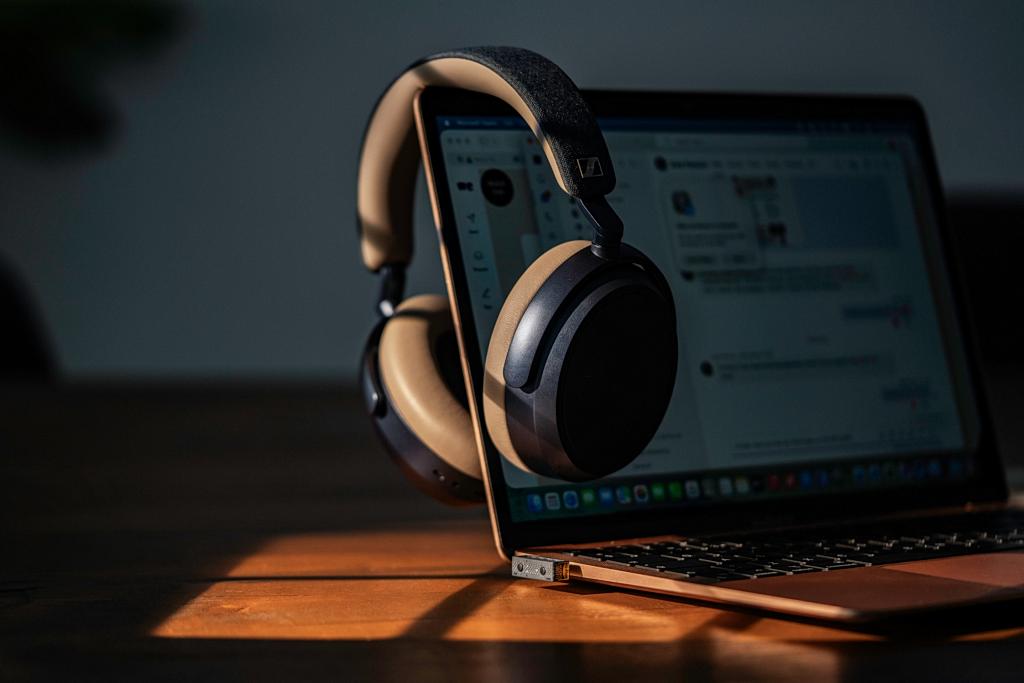
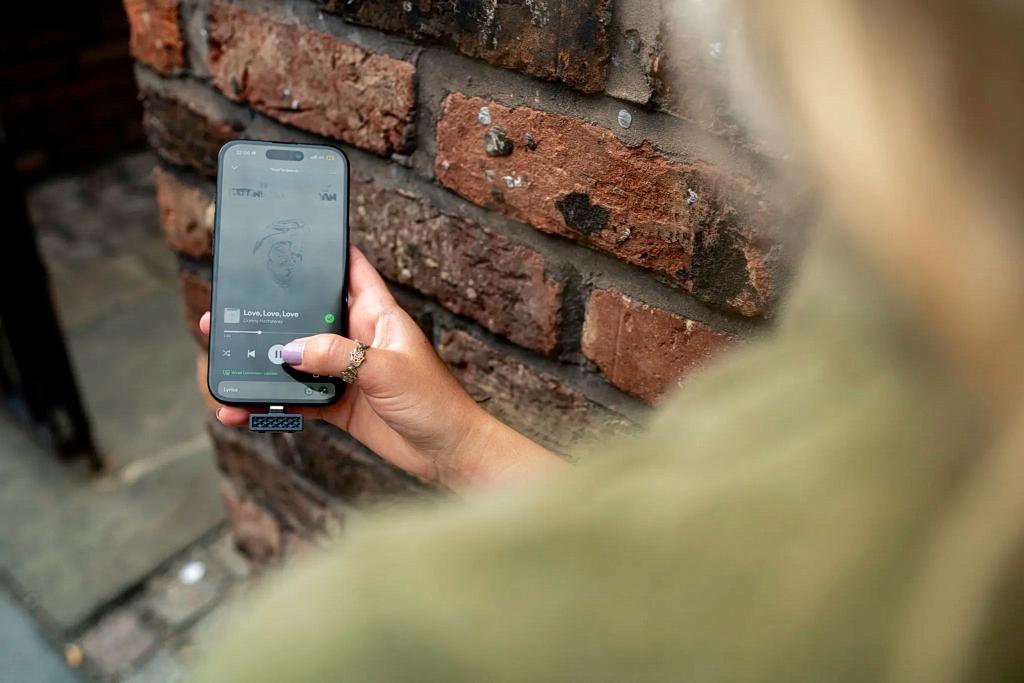
The concept is remarkably straightforward, although it addresses a problem that has frustrated wireless audio enthusiasts for years. Bluetooth audio requires the transmitting and receiving devices to agree on a codec. If your expensive headphones support LDAC but your phone doesn't, the connection simply falls back to another compatible format. The same applies to aptX HD, aptX Adaptive, and aptX Lossless. Buying better headphones doesn't magically add those capabilities to your smartphone. The UP Play and UP Play Max get around the problem by establishing an entirely separate Bluetooth connection. Plug one into a USB-C port, and the source sends digital audio to the adapter, which then transmits it directly to compatible headphones or another Bluetooth receiver. From that point on, the relevant codec support comes from the iFi transmitter rather than the phone's internal Bluetooth hardware. It doesn't change the capabilities of the headphones themselves, of course, but it allows users to take advantage of features that would otherwise remain inaccessible. For iPhone owners with a collection of high-quality wireless headphones, that could make a surprisingly meaningful difference.
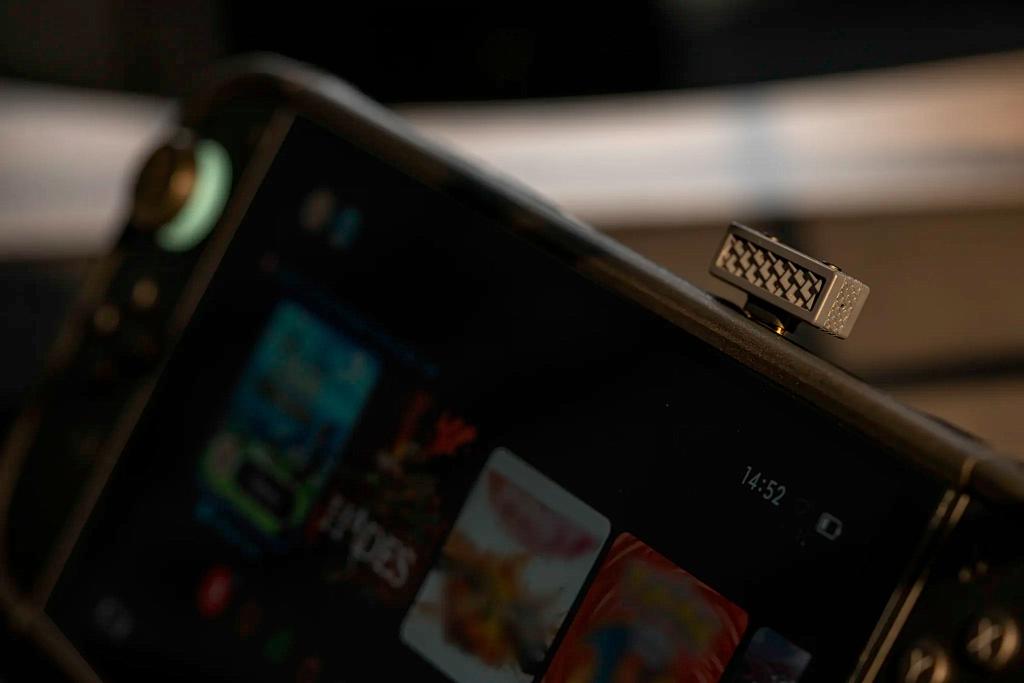
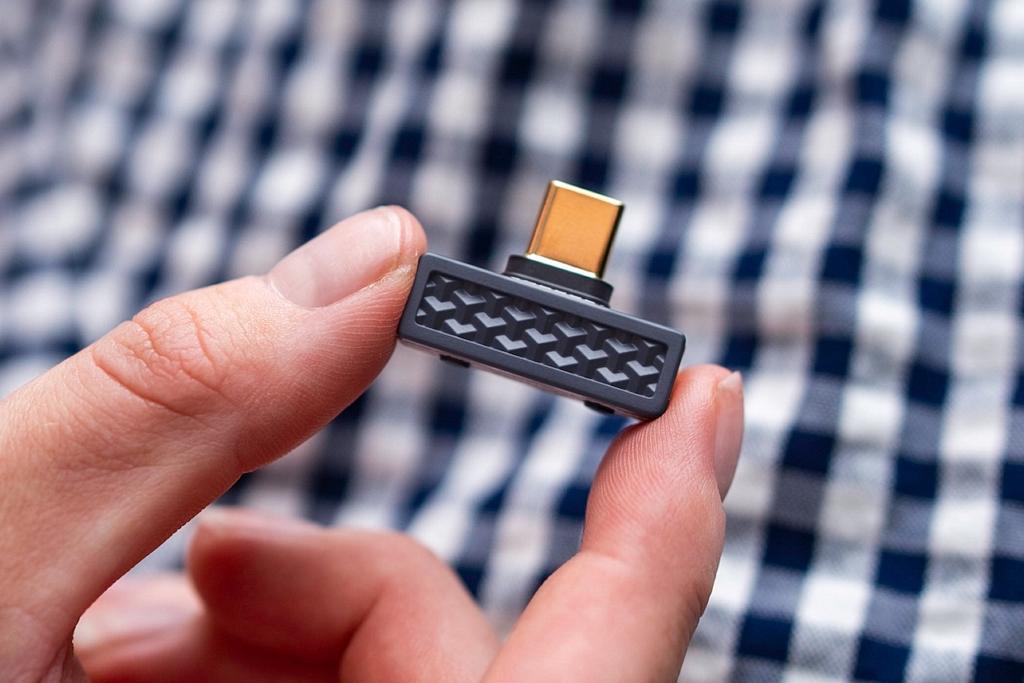
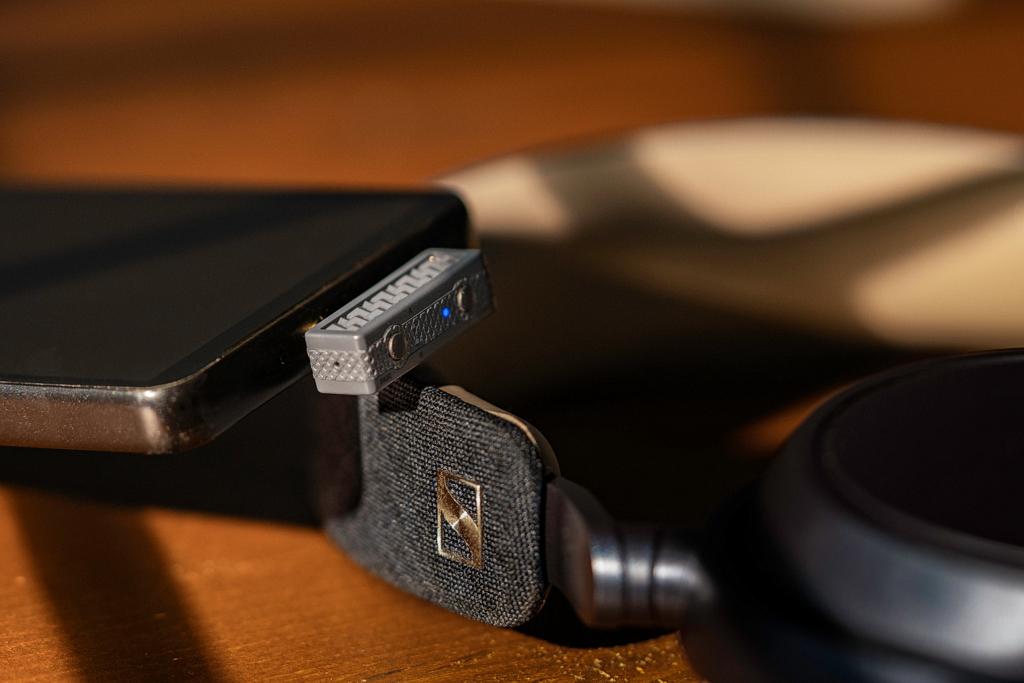
The more affordable UP Play uses Bluetooth 5.2 and Qualcomm's QCC5144 chipset, supporting audio transmission up to 24-bit/96 kHz. Its list of codecs includes LDAC, aptX Adaptive, aptX Low Latency, aptX HD, aptX, AAC, and SBC. That covers a considerable range of headphones and other Bluetooth audio devices, while offering different options depending on what the listener values most. LDAC is an obvious attraction for those interested primarily in higher-bitrate wireless audio, while aptX Adaptive is designed to balance transmission quality, connection stability, and latency. The remaining formats help ensure compatibility with a broad selection of headphones, speakers, and portable Bluetooth DACs. iFi specifies a wireless range of at least 10 meters (33 feet), which should be more than sufficient for most everyday applications. What makes the UP Play particularly appealing, however, is its size. Measuring just 27.6 x 20.8 x 8 mm (1.1 x 0.8 x 0.3 inches) and weighing a mere 3 g, it looks more like a tiny USB adapter than a serious audio accessory. There is no separate battery to charge, no additional cable to carry, and no second device to find room for in your pocket. Just plug it into the phone and leave it there.
The UP Play Max takes the same idea a little further, primarily targeting listeners whose headphones already support more advanced Bluetooth technologies. Its headline feature is aptX Lossless, a codec capable of transmitting CD-quality 16-bit/44.1 kHz audio without lossy compression when used with compatible receiving equipment and under suitable wireless conditions. This is a particularly interesting development for people who have already invested in headphones supporting Snapdragon Sound and aptX Lossless but own a phone that cannot take advantage of the technology. An iPhone, for example, can now become the source for a lossless Bluetooth connection without Apple having to change its own wireless audio implementation. Naturally, there are some limitations. Both ends of the connection must support aptX Lossless, and the wireless link must be sufficiently stable to maintain the necessary data rate. The adapter cannot turn ordinary Bluetooth headphones into lossless ones. Still, for listeners who already own the right equipment, the UP Play Max offers a relatively inexpensive way to unlock a feature they have effectively already paid for.
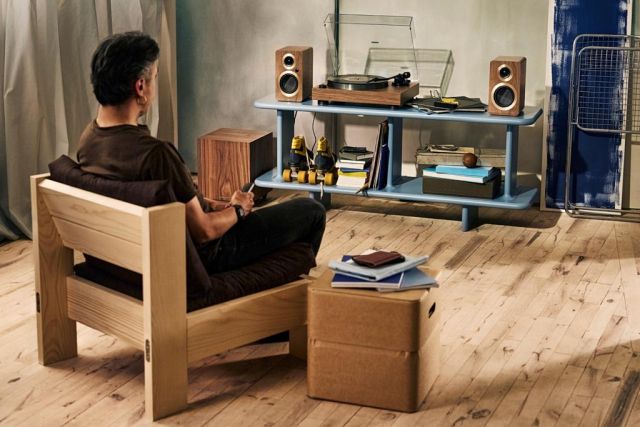
Another feature that distinguishes the Max is its planned support for Auracast, one of the more interesting developments associated with Bluetooth LE Audio. Conventional Bluetooth connections generally involve pairing a source with a particular receiver, but Auracast allows a transmitter to broadcast audio to multiple compatible listening devices. In principle, this means several people could tune into the same audio stream using their own headphones, without everyone having to share earbuds or pair their devices individually in the traditional manner. It is easy to imagine the appeal when traveling, watching a movie together, or sharing music in a public or private setting. There is an important catch, however: iFi has announced that Auracast functionality will be enabled through a firmware update rather than being available at launch. For now, it should be treated as a promised feature rather than something buyers can immediately use. Fortunately, both UP Play models already support connecting two pairs of headphones simultaneously. This allows two people to listen to the same music or watch a movie together, although the connection switches to the basic SBC codec in this mode. Sharing takes priority over maximizing transmission quality, which seems like a reasonable compromise for the intended application.
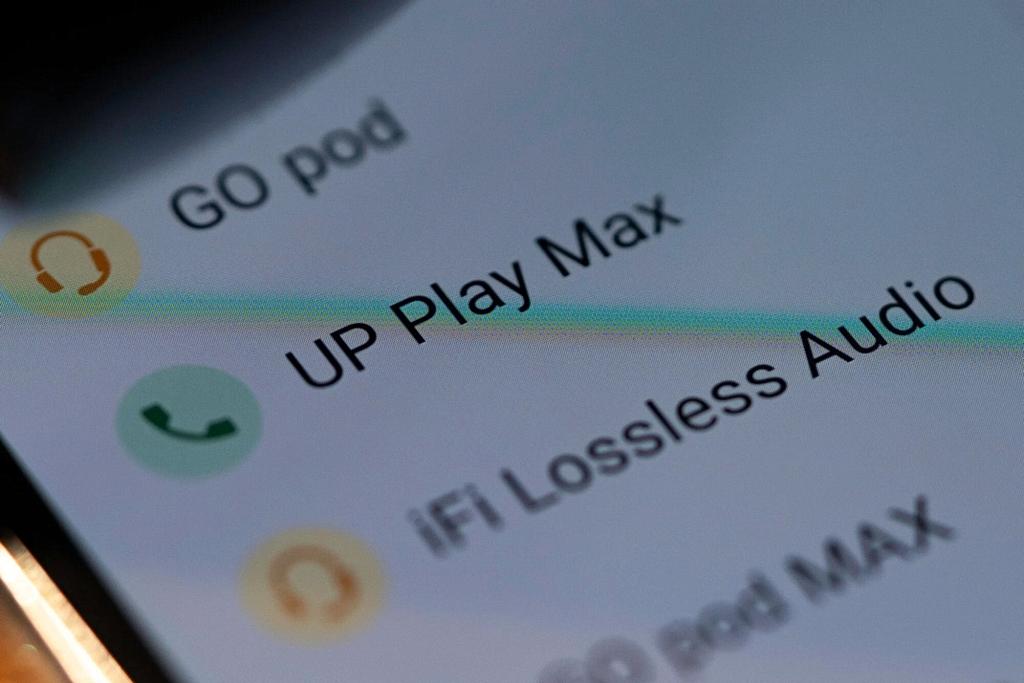
The little transmitters also have a few tricks aimed at people whose listening habits extend beyond music. A dedicated low-latency mode, based on aptX Adaptive, is designed to reduce the delay between what appears on the screen and what reaches the listener's ears. Bluetooth latency can be particularly irritating when watching videos or playing games, where even a relatively small delay between an action and its accompanying sound can become distracting. The feature is accessible through iFi's Nexis app and is intended to make the wireless connection more suitable for these applications. Both adapters also include a built-in microphone with Qualcomm cVc noise and echo suppression. This means they can be used for voice calls and in-game communication rather than functioning exclusively as one-way audio transmitters. It is an interesting addition, especially given their tiny dimensions, although the actual quality of voice pickup in noisy environments will naturally depend on the circumstances. A microphone mounted on a small adapter plugged into a phone still has to contend with the realities of background noise, wind, and the position of the device itself.
Perhaps the most unexpected feature is JVCKENWOOD's K2 Technology, which iFi has already incorporated into several other products. According to the manufacturer, K2 processing attempts to reconstruct harmonic information lost during digital audio processing, making music sound fuller, more natural, and closer to the original recording. This is not the same as recovering the exact information removed by a lossy codec, and the subjective benefits will undoubtedly depend on the recording and the listener's preferences. Nevertheless, it shows that iFi wanted these devices to offer something beyond simply unlocking a longer list of Bluetooth codecs. K2 can be enabled or disabled through the iFi Nexis app, allowing users to decide whether they prefer the processed or unprocessed presentation. The same application provides access to paired devices, active codecs, low-latency settings, and over-the-air firmware updates. That last function is particularly important for the UP Play Max, given the planned introduction of Auracast. It also gives iFi some room to refine the devices after launch, which is useful when so much of their functionality depends on the Bluetooth chipset and its software.
There are, of course, a few practical considerations. Both adapters occupy the USB-C port, which may be inconvenient if you normally charge your phone while listening to music. They also make the most sense when paired with headphones that actually support the codecs they unlock. Someone using ordinary AAC-only earbuds is unlikely to gain much from adding an external transmitter, while a listener whose Android phone already supports LDAC or aptX Adaptive may have less reason to buy the standard UP Play. The situation becomes considerably more interesting with an iPhone or another source that lacks the codec required to get the best out of a particular pair of headphones. In those cases, the iFi adapters offer a straightforward workaround without replacing otherwise perfectly functional equipment.
The UP Play and UP Play Max are also good examples of how iFi Audio has built its reputation around solving specific audio problems with unusually compact devices. The company has already developed an extensive range of portable DACs, headphone amplifiers, and wireless accessories, many of them intended to give smartphones and computers capabilities their manufacturers chose not to include. These new transmitters follow the same philosophy, but with an interesting twist. Rather than improving a conventional wired connection, they expand the possibilities of Bluetooth itself. And unlike a new pair of headphones, a new phone, or a dedicated portable music player, they require very little investment and almost no additional space. Whether the improvement is worthwhile will depend on the headphones and source being used, but the idea is undeniably practical. The UP Play is available now for $59 in the United States, €59 in Europe, and £59 in the United Kingdom. The more advanced UP Play Max costs $89, €99, and £89, respectively. Info and photos by iFi Audio.