
- News
- Posted
Fostex TH810 & TH818
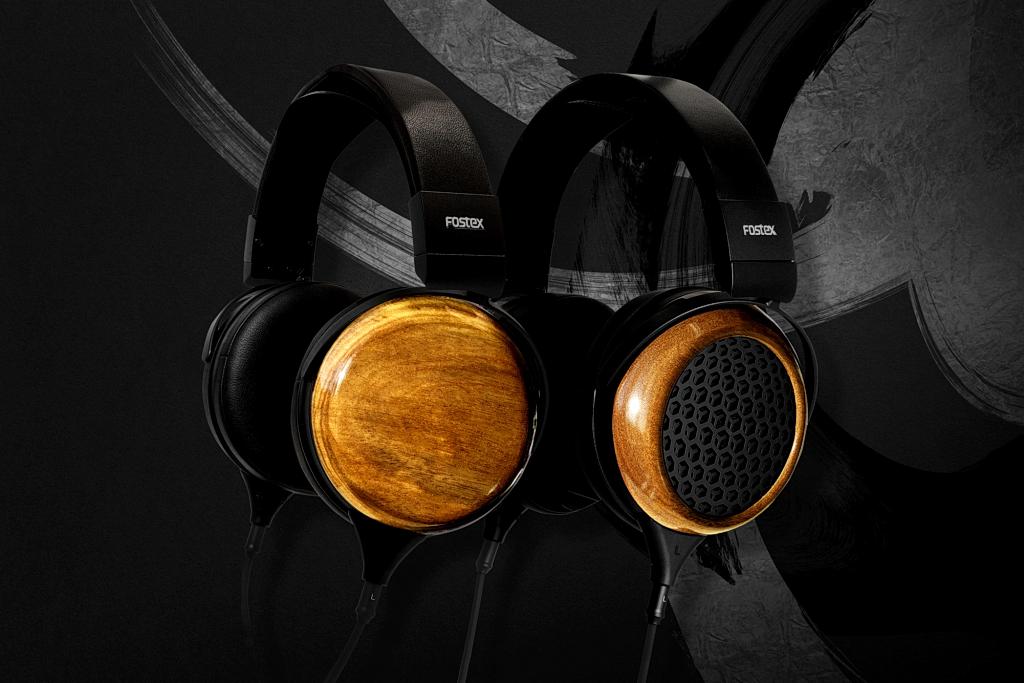
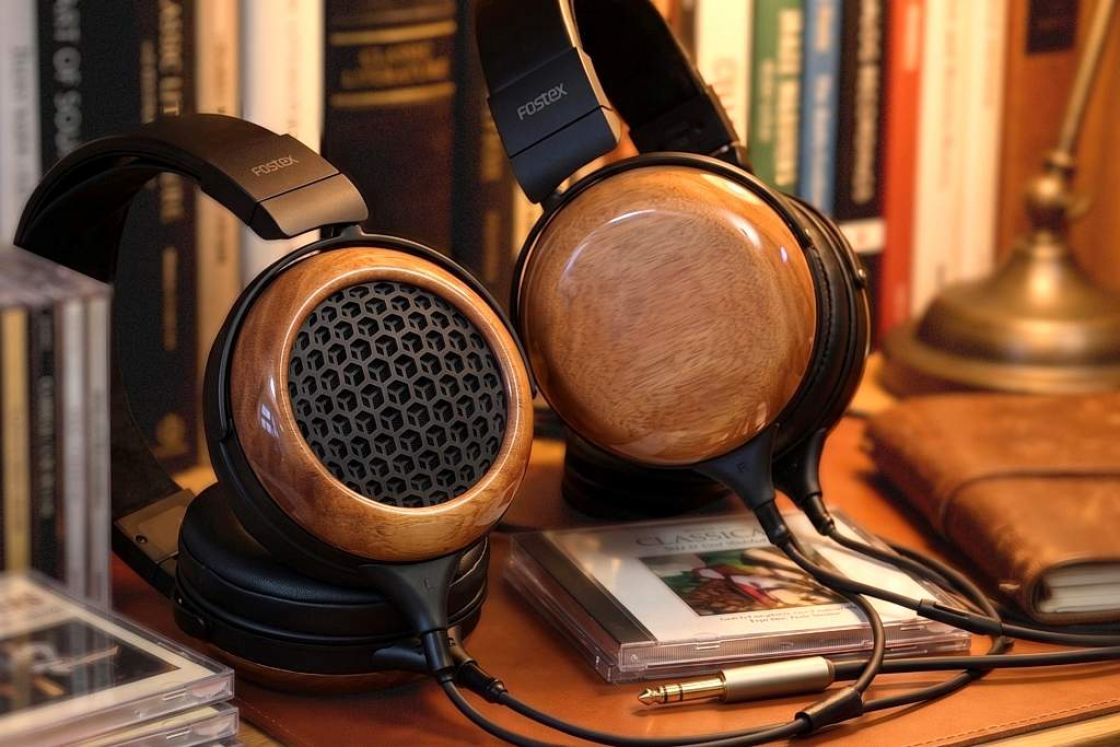
Fostex has introduced two new premium headphones, the TH810 and TH818. Both models are designed to bring technology and sound characteristics associated with the flagship TH910 and TH919 into a new, more standard product line. The Japanese brand has combined its familiar biodynamic driver technology with solid wood housings and lightweight magnesium mechanical components, creating two headphones aimed at slightly different listeners. The TH810 is a closed-back design intended for users who want greater isolation from the outside world and a more intimate connection with the music, while the TH818 is an open-back model designed to provide a freer soundstage, a more natural sense of space and long-term comfort during extended listening sessions.
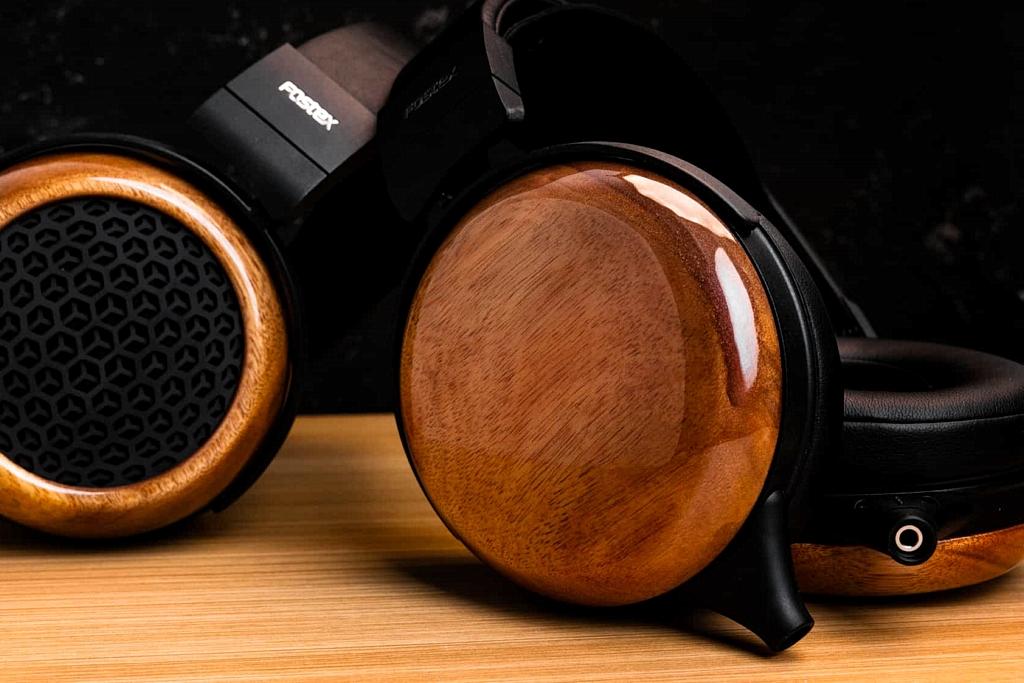
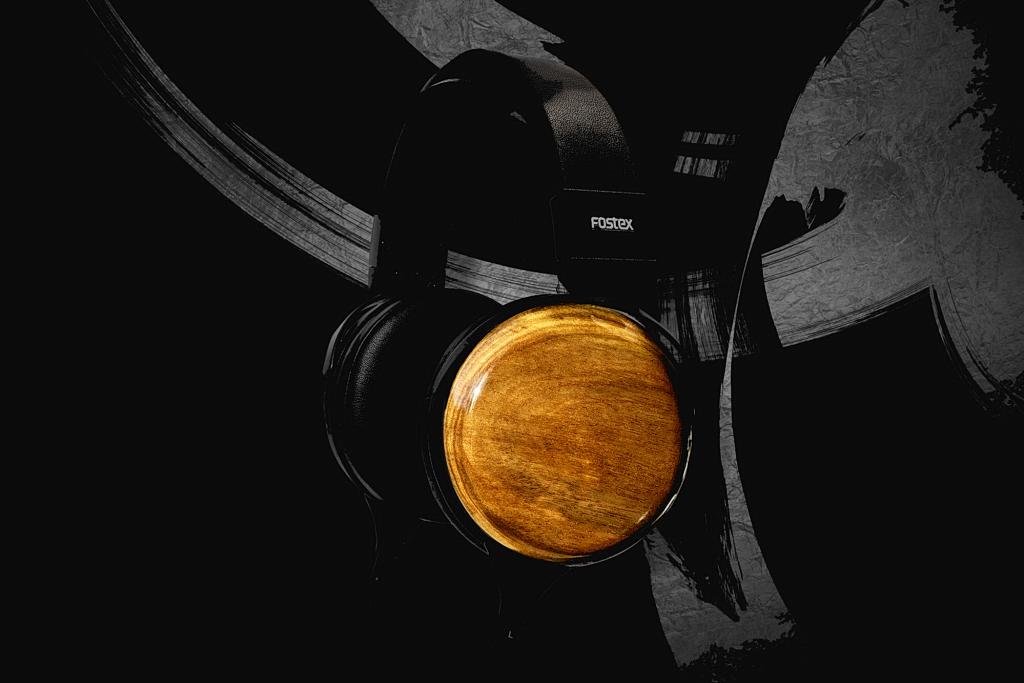
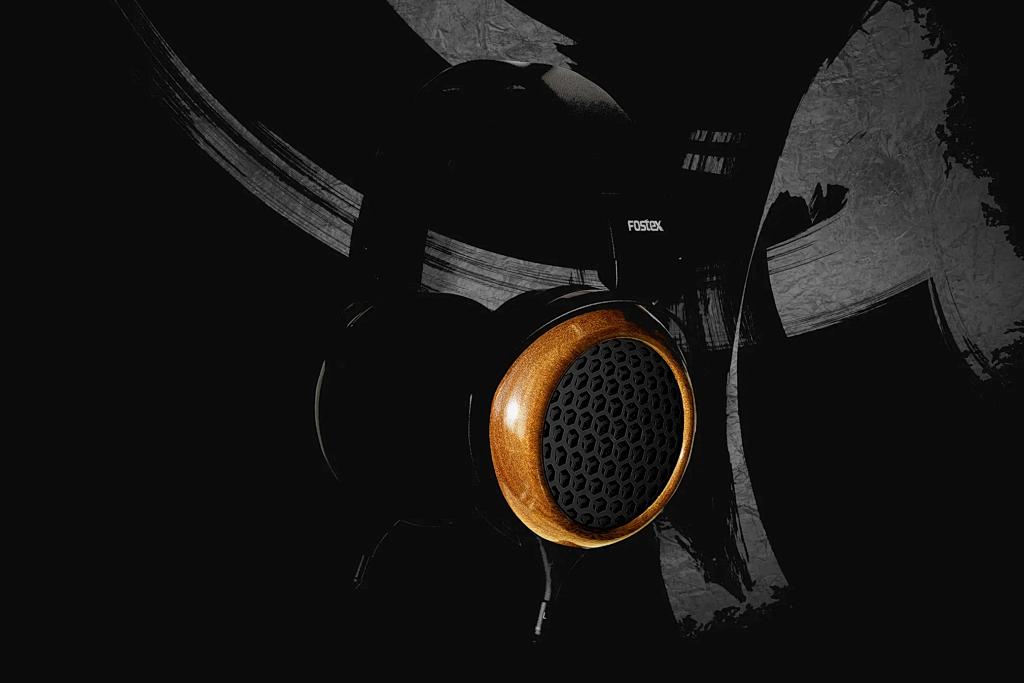
The new models develop Fostex's established idea of a high-end headphone, but without carrying over every finish detail from the company's top designs. The most important change is the use of solid acacia wood for the housings. Fostex selected this material for its resonant properties, natural appearance and ability to deliver a character close to that of the lacquered hard maple housings used in the flagship models, but without the lacquer finish itself. As a result, every pair has its own grain pattern, while the acacia wood is intended to support solid, deep bass and clear, freely resonant treble.
At the heart of both headphones is a newly developed 50 mm biodynamic driver with a neodymium magnet. Fostex says the driver uses an evolved version of its well-regarded BioDyna diaphragm, with one of the key changes being a newly designed diaphragm edge. Its purpose is to improve amplitude stability, which should translate into tighter, better-defined bass without excessive bloom in the lowest frequencies. The driver structure is also designed to suppress unwanted resonances, helping the midrange retain a natural, smooth and transparent character. Fostex describes the result as a dense, clean and fluid sound, focused on high resolution and faithful retrieval of recorded detail.
The mechanical structure of the TH810 and TH818 uses lightweight magnesium alloy components, including the housing base plate and hangers. Compared with aluminum, this allowed Fostex to reduce the weight of these parts by 20%, which matters not only for wearing comfort, but also for the control of unwanted vibration. Rubber gaskets have also been used in the rotating mechanisms to minimize vibration and improve the overall user experience. Both models weigh 385 g without the cable, which remains a reasonable figure for full-size headphones with wooden housings and a solid premium construction.
Fostex has also redesigned the ear pads and headband. The new pads use a dual-layer memory foam structure, with a softer outer layer for immediate comfort and a more resilient inner layer that helps maintain proper fit and stability. The pad surface is made from a silk protein-based synthetic leather which, according to the manufacturer, is three times more durable than conventional materials of this kind. The headband and head pads are made from natural sheepskin. This is intended to provide comfort and a supple fit, while developing an individual patina over time, an idea that suits headphones built around natural wood.
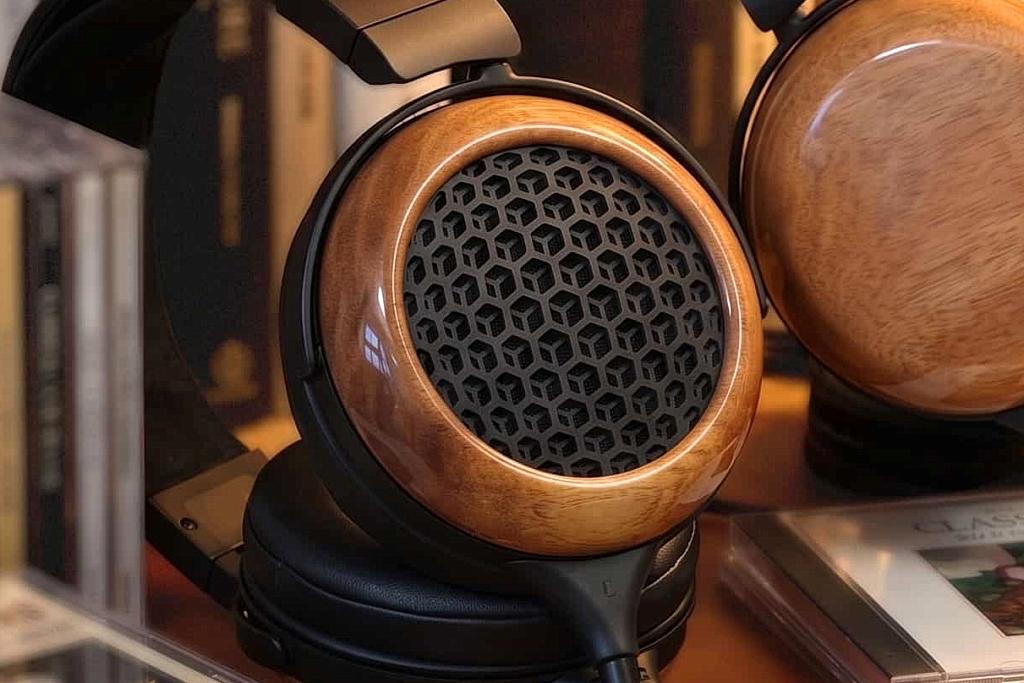
The main difference between the two models lies in their acoustic construction. The Fostex TH810 is a closed-back headphone created for listeners who want to reduce the influence of outside noise and focus on music in a more isolated environment. This kind of design may work well at home, in studio-related applications or anywhere a stronger separation from the surroundings is desirable. The Fostex TH818, by contrast, is an open-back model. Its housing uses matte anodized aluminum with a geometric grille motif and a precise two-layer structure. The goal is a freer and more open soundstage that should be less fatiguing over long listening sessions and better able to convey the natural scale of a recording.
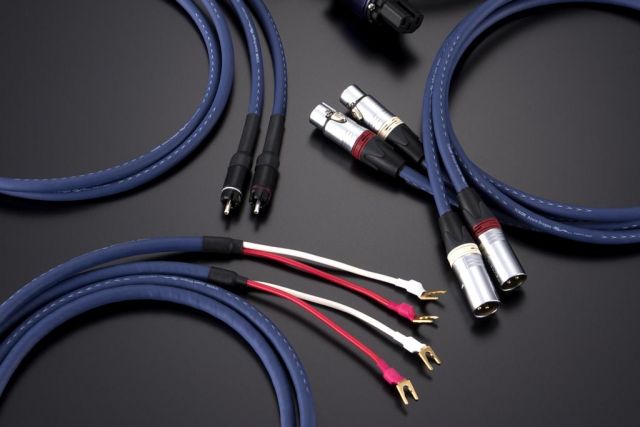
Both headphones are supplied with Fostex's own 7N-grade oxygen-free copper cable. The cable is 2 m long and uses two 3.5 mm connectors on the headphone side and a 6.3 mm stereo plug on the source side. Fostex also offers optional balanced cables terminated with 4.4 mm and XLR connectors. The technical specifications of the two models are very similar. The TH810 and TH818 have an impedance of 25 ohms, sensitivity of 100 dB/mW, maximum input power of 1800 mW and a frequency response of 12.5 Hz to 45,000 Hz. Each set also includes a faux leather pouch and documentation. The Fostex TH810 and TH818 are beginning to reach selected markets, with Japanese retail pricing listed at ¥198,000 for the closed-back TH810 and ¥237,600 for the open-back TH818. Converted directly, this would correspond approximately to $1,300/€1,200/£1,030 for the TH810 and $1,560/€1,440/£1,240 for the TH818, although international pricing has not yet been confirmed. Info and photos by Fostex.